Laser Safety Classifications Explained for Industrial Buyers
Laser safety classes define the risk level of emitted radiation. They determine the required controls, PPE, and access restrictions. Understanding these classes helps buyers plan safe facility layouts and select appropriate protection measures for their specific laser applications.
- Laser classes are defined by the risk of injury from direct or scattered beam exposure.
- Higher classes require stricter physical barriers, administrative controls, and trained personnel.
- Facility layout, shielding, and access control must align with the specific class of the installed laser.
- Sourcing decisions should prioritize verified compliance with recognized safety standards.
What are laser safety classifications?
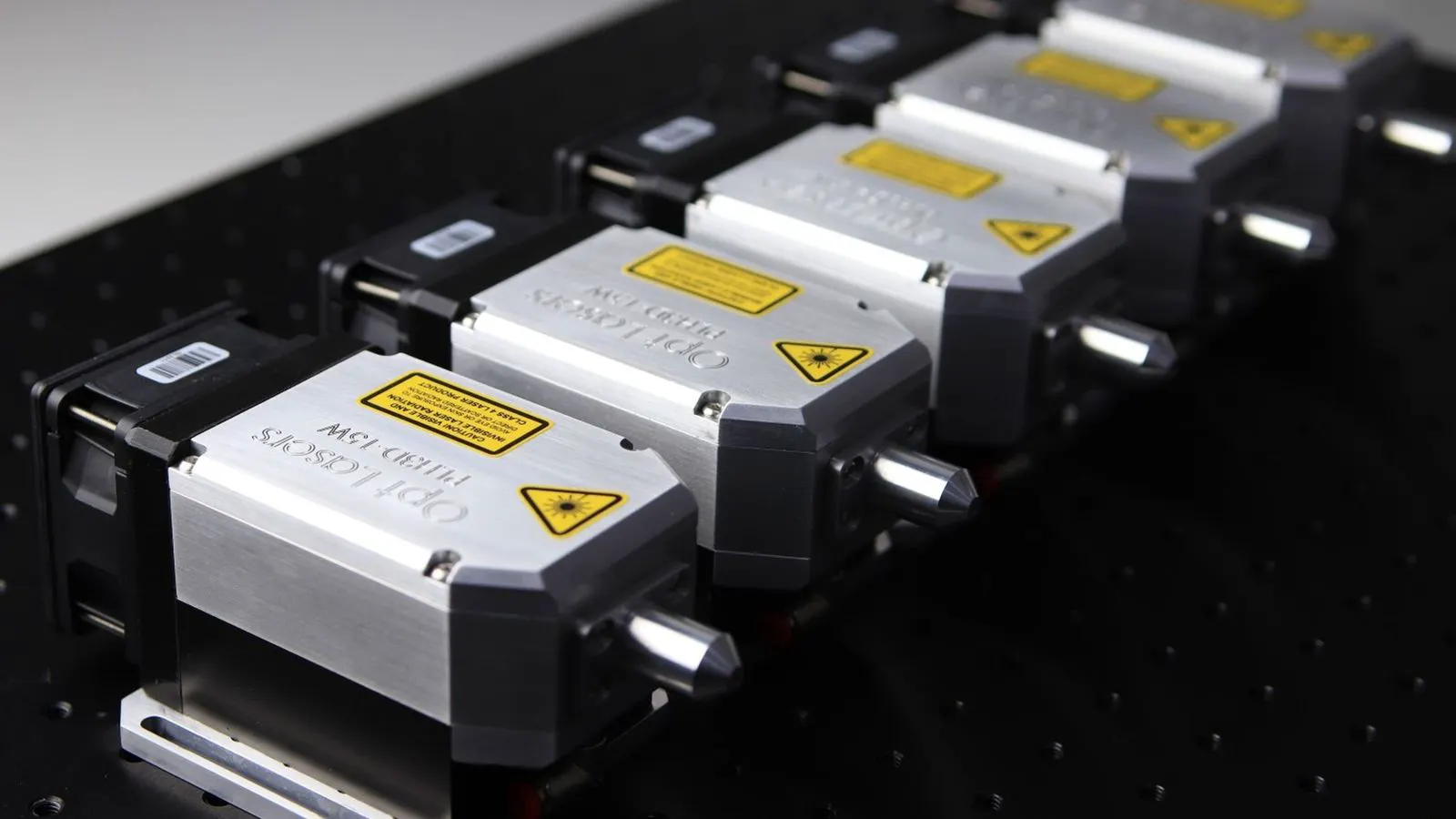
Laser safety classifications group machines based on the level of risk they pose to a person exposed to the beam. The classification is assigned by the laser manufacturer and must appear on the machine nameplate. It tells the buyer what level of protection is needed before the system is installed and operated.
The system uses a numbered scale. Each number represents a different threshold of beam power and wavelength. The class designation is not about the machine’s price or speed. It is a technical label that drives how the facility must be built and managed.
Buyers often mistake the class for a measure of machine quality. That is a dangerous error. A Class 4 laser is not simply a “better” machine than a Class 3B. It is a machine that requires different engineering controls to prevent injury. The classification dictates the physical safety measures, not the production capability.
How are laser classes defined?
Class definitions rely on the power of the optical output and the wavelength of the light. Shorter wavelengths can be more dangerous to the eye than longer ones, even at the same power level. The definitions also account for whether the beam is visible or invisible.
The scale generally runs from Class 1 to Class 4.
| Class | Risk Description | Typical Control Requirement |
|---|---|---|
| Class 1 | No risk from direct or scattered beam. | Standard room conditions. |
| Class 1M | Safe for direct exposure, but risk from laser pointers or magnification. | Restricted access for specific scenarios. |
| Class 2 | Low risk for direct exposure, but risk from staring. | Warning labels. |
| Class 3R | Low risk for direct exposure, but risk from scattered beam. | Warning labels and administrative controls. |
| Class 3B | Risk of injury from direct or specular reflection. | Interlocks, barriers, and warning signs. |
| Class 4 | High risk of injury, fire, and skin damage. | Enclosed beam path, interlocks, and restricted access. |
The boundary between these classes is strict. A machine that outputs a small amount of power above a threshold moves up a class. This step-change in classification triggers a step-change in required safety measures.
What does the class mean for facility planning?
The safety class is the primary input for designing the laser room. It determines the size of the enclosure, the type of shielding, and the layout of the work area.
For Class 1 and Class 1M machines, the beam is contained within the housing. The facility can be a standard production area. The main task is to ensure the housing is not opened during operation.
For Class 2 and Class 3R systems, the beam is visible or low-power enough that accidental exposure is unlikely. However, the beam can reflect off shiny surfaces. Facility planning must account for specular reflections. Surfaces like polished metal or glass must be managed. The area around the machine needs clear warning labels.
Class 3B and Class 4 systems change the planning entirely. These lasers can cause immediate eye damage. For Class 3B, a protective enclosure or shielding is required to block the beam. Interlocks are necessary to stop the laser if a door is opened.
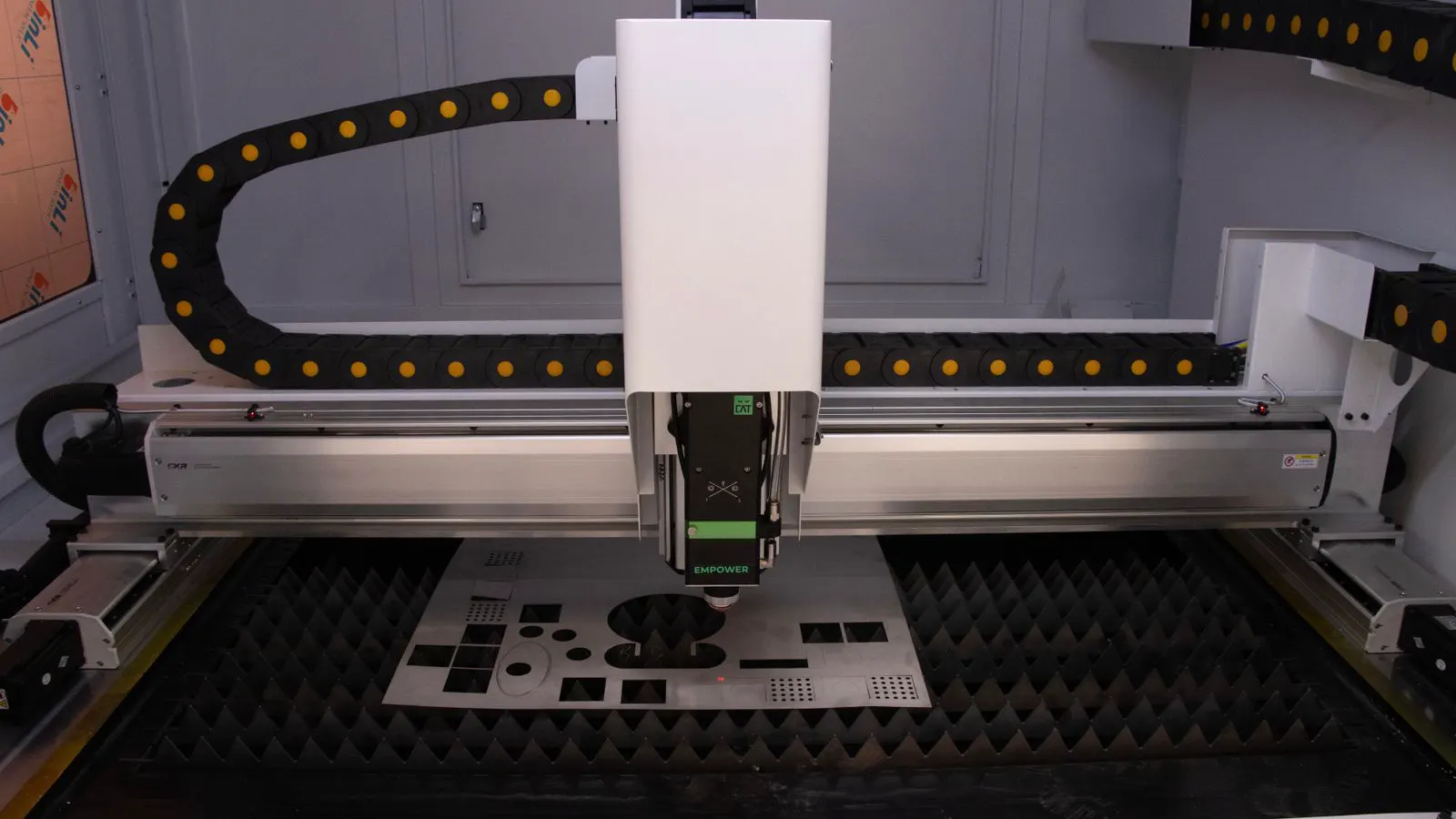
For Class 4 machines, the beam path must be fully enclosed. The machine housing must be rated to contain the beam. If the beam exits the housing, it can ignite materials or cause severe injury. The facility must treat the laser area as a controlled zone. Access is restricted to trained and authorized personnel.
How do laser safety standards affect sourcing?
Laser safety standards provide the technical criteria for testing and marking. They define how to measure beam power and how to classify the machine. They also specify the required warnings and interlocks.
When sourcing a laser machine, the buyer must verify that the manufacturer has tested the unit against these standards. A valid safety label is the first indicator. However, labels can be incorrect or missing if the machine is modified.
Buyers should ask for the test report or compliance certificate. The document should reference the specific standard used and the test date. If the machine is a custom integration, the integrator is responsible for ensuring the final assembly meets the requirements.
Ignoring standards during sourcing creates liability. If a machine lacks proper interlocks or warnings, the facility owner is at risk. Insurance providers often review safety compliance during underwriting. A documented safety plan is a standard requirement for industrial laser operations.
Sourcing should focus on machines that are certified out of the box. Post-installation testing is cheaper than retrofitting a non-compliant system. The initial cost of a compliant machine is usually lower than the cost of adding shields and interlocks later.
What is a worked example of class-based planning?
Consider a facility that needs a laser for cutting thin sheet metal. The buyer evaluates two options. Option A is a low-power fiber laser rated Class 3B. Option B is a high-power CO2 laser rated Class 4.
For Option A, the buyer plans a dedicated room. The laser is enclosed in a cabinet with interlocked doors. The beam is directed into a work area with a fume extraction system. The floor around the machine is marked with warning tape. Only trained operators are allowed in the room during production. The cost of the room is standard. The controls are moderate.
For Option B, the buyer must design a fully enclosed beam path. The CO2 laser housing is larger and heavier. The beam path includes mirrors and optics that must be aligned within a sealed enclosure. The room requires heavy-duty shielding to contain stray radiation. Access is restricted via keycard or badge. The cost of the room is significantly higher. The controls are extensive.
Both machines can cut the same material. The choice depends on the volume and the risk tolerance. The Class 4 machine offers higher speed but requires a higher level of facility investment. The Class 3B machine is safer to install but may limit throughput. The buyer must match the class to the facility’s capacity and the production requirements.
Common mistakes in laser safety sourcing
Buyers often make three common mistakes when evaluating laser safety classes.
- Assuming that a Class 3B laser is safe to install in an open office space. It is not. It requires shielding and interlocks.
- Ignoring the wavelength. A low-power UV laser can be more dangerous than a high-power IR laser of the same class. The classification accounts for this, but buyers often overlook it.
- Modifying the machine without re-evaluating the class. Adding a lens or changing the aperture can increase the beam power. This can move the machine up a class. The original safety label becomes invalid.
Another mistake is relying solely on the manufacturer’s label without checking the installation. A machine can be Class 4, but if the beam path is broken or the interlocks are disabled, the risk increases. The facility must verify that the installed state matches the rated class.
Regular audits are part of safety management. The laser class is not a one-time check. It is a condition that must be maintained.
How to verify compliance before installation
Verification is a multi-step process. It starts with documentation review. The buyer should collect the user manual, the safety label, and the test report. The test report should confirm the beam power and the wavelength.
Next, the buyer should inspect the physical machine. The label should be legible and securely attached. The interlocks should be visible and functional. The beam path should be fully enclosed for Class 4 machines.
During installation, the integrator should perform a site survey. This survey identifies reflective surfaces and potential exposure paths. The survey results should be documented. The safety plan should be updated based on the survey.
After installation, a baseline test should be run. The operator should verify that the interlocks stop the laser correctly. The warning lights and signs should be checked. This test should be recorded in the facility’s safety file.
The baseline test is not a one-time event. It should be repeated periodically. Laser power can drift over time. Components can degrade. A regular audit ensures that the machine remains within its rated class.
Final thoughts for industrial buyers
Laser safety classifications are the foundation of safe industrial laser use. They are not bureaucratic hurdles. They are engineering parameters that define the risk.
Buyers must treat the class as a critical specification. It affects the facility layout, the cost of safety equipment, and the training requirements for staff. Ignoring the class leads to costly retrofits, production stoppages, and potential injuries.
Sourcing decisions should prioritize verified compliance. A machine that is certified to the relevant standards reduces the risk of errors. The buyer should work with the manufacturer and integrator to ensure that the installation meets the requirements.
The goal is a facility that is safe to operate and easy to maintain. The laser class is the key to achieving that goal. Understanding it allows buyers to plan effectively and make informed decisions.
Frequently asked questions
Can I operate a Class 4 laser in a standard warehouse?
No. A Class 4 laser requires a fully enclosed beam path and restricted access. A standard warehouse lacks the necessary shielding and controls.
Does the laser class change if I install a new lens?
Yes. Changing the optical path can alter the beam power. The machine may need to be re-tested and re-classified.
How often should I test the laser interlocks?
Interlocks should be tested regularly, at least annually, and after any repair or modification. The frequency may be higher based on local regulations.
What documents do I need for insurance?
Insurance providers typically require the safety label, test report, and a written safety plan. These documents prove that the machine is compliant and that the facility is managed safely.
Is a Class 1 laser completely safe?
Yes, for direct and scattered beam exposure. However, opening the housing can expose the beam. The housing must not be opened during operation.